Trump Signs Order Renaming AI as Super Intelligence
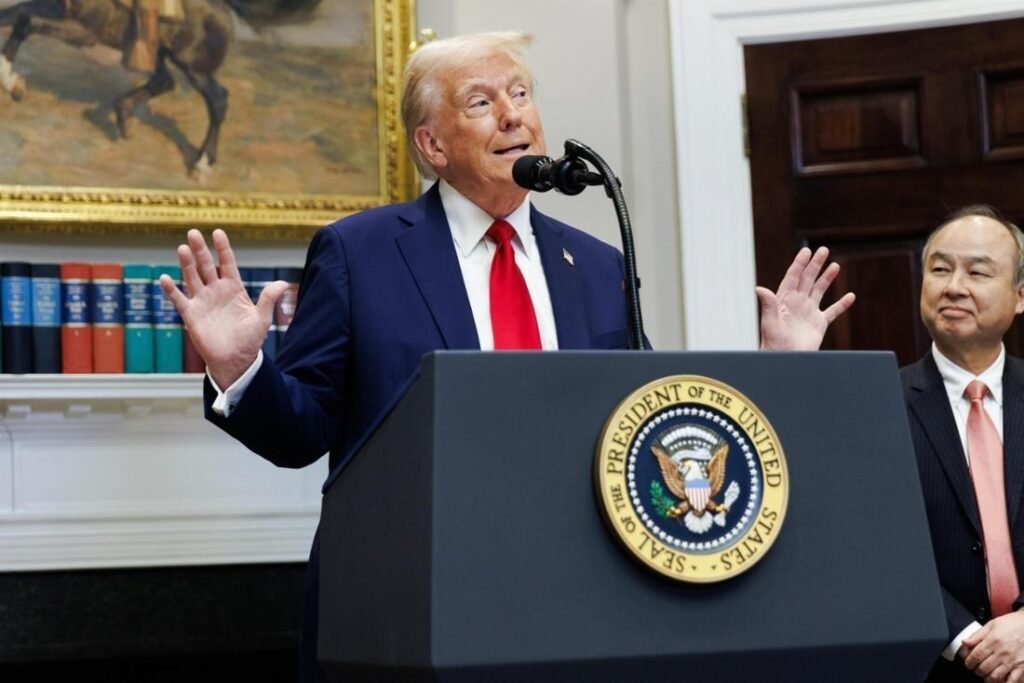
U.S. President Donald Trump has signed an executive order directing the federal government to replace the terms “Artificial Intelligence” and “AI” with “Super Intelligence” and “SI” in executive-branch communications. The order, signed on September 29, 2026, represents a notable change in how the U.S. government refers to rapidly developing artificial intelligence technologies.
The executive order, titled “Inaugurating the Era of Super Intelligence,” says that modern frontier AI systems have capabilities that extend beyond the original concept of artificial intelligence. According to the order, these technologies can amplify human capabilities and support new forms of creativity and problem-solving across areas including science and medicine. The administration says the terminology used by the federal government should reflect those developments.
Under the directive, federal departments and agencies are instructed, to the maximum extent permitted by law, to use “Super Intelligence” and “SI” in official correspondence, public communications, government websites, reports, policy documents and other non-statutory materials. However, the order does not require previously issued regulations, presidential actions, contracts, grants or historical documents to be rewritten.
The order also addresses the legal definition of the technology. For implementation purposes, “Super Intelligence” and “SI” will initially use the existing federal statutory definition of artificial intelligence under Title 15 of the U.S. Code, except where another law provides otherwise. This means the terminology is changing immediately within the executive branch, while the legal framework remains connected to the existing definition of AI.
A further change could come after a review period. The Assistant to the President for Science and Technology has been given 60 days to prepare proposed legislative language for a federal definition of “Super Intelligence” and “SI.” The proposal is also expected to examine whether existing references to artificial intelligence in federal law should be modified or replaced.
The announcement followed a White House luncheon involving major technology executives. The meeting focused on the development and safety of advanced AI systems, while participating companies also signed a voluntary agreement concerning internal controls, external auditing and oversight. Trump described the agreement as morally binding rather than as a conventional legally enforceable regulation.
The terminology change had been discussed publicly before the executive order was signed. Trump had previously suggested that the phrase “Artificial Intelligence” did not adequately describe the capabilities of modern systems and considered alternative names. His administration subsequently adopted “Super Intelligence” as the preferred government terminology.
The development comes as governments, technology companies and researchers continue debating how advanced AI systems should be developed, monitored and governed. The new terminology does not itself change how AI systems operate, but it establishes a different naming convention for the U.S. executive branch and could lead to further discussion about terminology, legislation and technology policy.
For businesses, researchers and technology users, the immediate practical change is mainly related to government language and documentation. Existing references to AI will continue to appear in laws, historical records, contracts and other materials that the order does not require agencies to revise. The proposed 60-day review could provide further details about how the administration intends to define and use Super Intelligence in future federal policy.
About The Author