US-Venezuela Oil Deal Brings New Investment to Region
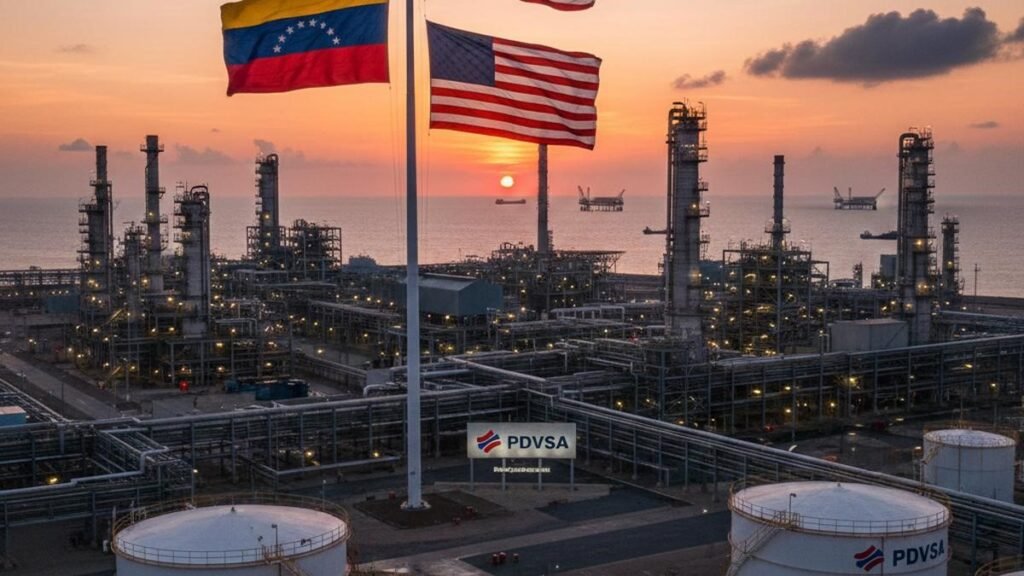
The US-Venezuela oil deal has opened a new chapter in Venezuela’s energy sector, with large-scale investment plans aimed at rebuilding oil production and modernising infrastructure. The agreements announced in Caracas on September 2, 2026, involve major international energy companies and are being presented as an effort to revive one of the world’s largest oil-producing resources.
Venezuela has the world’s largest proven crude oil reserves, but years of economic difficulties, underinvestment and deteriorating infrastructure have left its petroleum industry operating well below its historical potential. The latest agreements are intended to bring fresh capital, technology and expertise into the sector.
One of the most significant participants is Chevron, which announced plans to expand its Venezuelan operations. The company said it expects to invest more than $7 billion over five years and aims to increase its production in the country to approximately 600,000 barrels per day.
Other international companies, including Italy’s Eni and GE Vernova, have also entered agreements connected with Venezuela’s energy infrastructure. GE Vernova’s agreement focuses on improving the country’s electricity system, including work intended to restore existing generating capacity and increase power availability over the coming years.
For Venezuela, the potential economic impact extends beyond crude oil production. Increased activity in the energy sector could create employment, generate government revenue and encourage investment in supporting industries. Better electricity infrastructure could also help businesses and households that have experienced unreliable power services.
However, the benefits are not expected to appear immediately. Analysts cited in the CNN report noted that rebuilding Venezuela’s oil industry will require substantial investment and time. Expanding production involves repairing infrastructure, developing fields, securing equipment and establishing reliable transportation and export systems.
The agreement also has implications for the wider Latin America energy market. Greater Venezuelan production could add more crude to international markets and potentially increase competition among oil suppliers. The country’s geographical position and extensive reserves make its recovery relevant not only to Venezuela and the United States but also to other energy-consuming and producing countries in the region.
At the same time, questions remain over how the financial gains will be distributed. CNN reported that some Venezuelans are concerned that international companies could capture a large share of the profits while ordinary citizens see benefits only gradually. Opposition figures have also questioned transparency and the management of the new investments.
The agreements therefore represent both an economic opportunity and a major test for Venezuela’s energy sector. Their longer-term effect will depend on how quickly investment reaches production, whether infrastructure improvements are sustained and how revenues are managed.
For the United States, closer access to Venezuelan crude could strengthen energy ties with a country that possesses enormous petroleum resources. For Venezuela, the arrival of international capital could help restore an industry that has suffered from years of underinvestment.
The US-Venezuela oil deal is consequently more than an agreement focused on crude production. It could influence jobs, infrastructure, government revenues, energy supply and investment patterns across Latin America. But the full economic impact will depend on implementation, production growth and how quickly the promised investment translates into practical improvements for Venezuela’s population.
About The Author