Ebola Outbreak in Congo Expands as Health Teams 2026 Respond
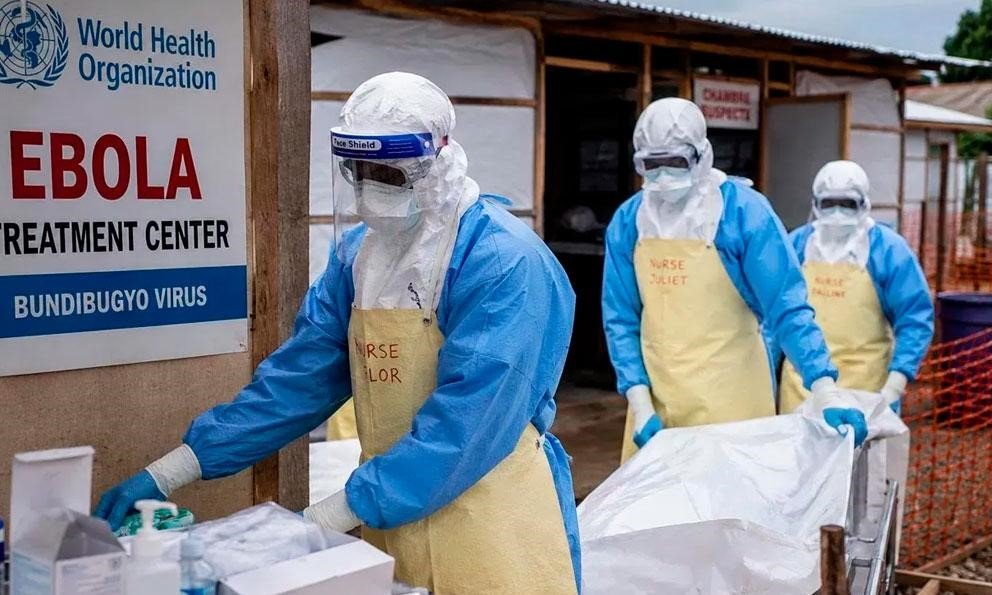
The Ebola outbreak in the Democratic Republic of Congo remains an important global health development on September 27, 2026, as health authorities continue efforts to control transmission of the Bundibugyo virus.
According to a Reuters health summary published September 27, the outbreak has expanded into additional health zones in the Democratic Republic of Congo. The World Health Organization has been supporting national authorities with surveillance, testing, clinical care, infection prevention and community engagement.
The current outbreak involves Bundibugyo virus, a species of Ebola virus that can cause severe illness. The outbreak was declared in May 2026 and has developed within a difficult environment affected by insecurity, population movement and limited access to healthcare.
WHO’s August 28 disease update reported that the outbreak had expanded to 60 health zones across six provinces. At that time, more than 5,700 confirmed cases and over 2,700 deaths had been reported, highlighting the seriousness of the situation.
The outbreak has also required significant international coordination. WHO says the situation was declared a Public Health Emergency of International Concern in May 2026 because of the potential for further regional spread and the need for coordinated international action.
One of the biggest challenges is identifying infections quickly. Early symptoms of Bundibugyo virus disease can resemble other illnesses, including malaria and other common infections. Symptoms may include fever, tiredness, muscle pain, headache and sore throat before more serious symptoms develop.
Healthcare workers therefore play a central role in identifying suspected patients, arranging testing and maintaining infection-prevention procedures.
WHO has reported that infection-prevention specialists are working inside healthcare facilities in affected areas. Their work includes improving hygiene, safe patient handling, disinfection procedures and protective measures for medical staff.
Another important aspect of the response is contact monitoring. People who have been exposed to confirmed patients may need follow-up for the duration of the disease’s incubation period. Rapid identification of symptoms can help health teams isolate suspected cases and reduce opportunities for transmission.
The outbreak also illustrates how health emergencies can be influenced by conditions outside medicine. Insecurity, population displacement and movement between communities can make it harder for response teams to reach patients and conduct surveillance.
WHO has advised against general restrictions on travel or trade because of the outbreak, while emphasizing surveillance, preparedness and coordinated cross-border response.
Researchers and health authorities are also studying possible vaccine approaches. Because Bundibugyo virus differs from the Ebola virus targeted by existing licensed vaccines, the level of protection against this strain is not yet established. WHO has emphasized the need for research to determine whether candidate vaccines can provide protection against Bundibugyo virus.
For the public, the most important message during an outbreak is the value of reliable health information. People should follow guidance from national health authorities and recognised organisations such as WHO rather than relying on unverified social-media claims.
The Congo Ebola outbreak 2026 remains a developing health story. Continued testing, surveillance, infection prevention, patient care and community cooperation will be central to efforts to limit further transmission.
About The Author