UPI Payments Up to ₹2,000 Stay Free Under New Rule
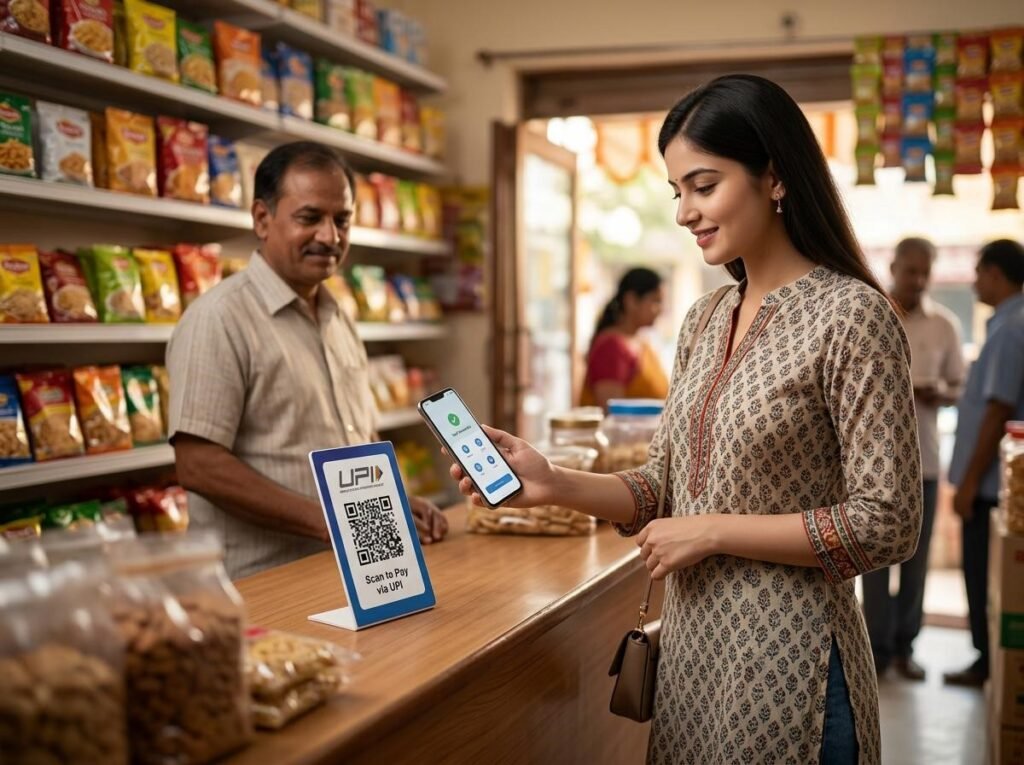
The Indian government has reinforced a key rule for digital payments by prohibiting banks and payment system providers from imposing charges on UPI payments up to ₹2,000. The move is aimed at keeping small-value digital transactions affordable and encouraging wider use of UPI payments across India. The government has also extended the same protection to eligible payments made through RuPay debit cards.
The clarification comes at a time when India’s digital payment ecosystem is expanding rapidly. UPI, or Unified Payments Interface, has become one of the country’s most widely used methods for transferring money and making merchant payments. Developed by the National Payments Corporation of India (NPCI), UPI enables instant bank-to-bank transactions through mobile applications and supports different payment methods, including QR-code payments.
Under the government’s latest position, UPI transactions of up to ₹2,000 cannot be subjected to direct or indirect charges by banks or payment system providers. This provides greater certainty for customers and small merchants who regularly depend on UPI for everyday purchases. The policy is particularly relevant for low-value transactions at neighbourhood shops, food outlets, local markets, service providers and other small businesses.
The decision also comes amid broader discussions about the future of UPI charges and Merchant Discount Rate (MDR). MDR refers to fees associated with processing certain merchant transactions. Recent discussions have focused on whether charges should be introduced or adjusted for higher-value merchant payments while keeping everyday users protected. Reports indicate that potential changes are being considered mainly around larger transactions, rather than small-value payments.
For consumers, the immediate message is straightforward: UPI payments up to ₹2,000 remain protected from transaction charges under the government’s stated rule. This is important because UPI has become an integral part of daily financial activity in India. Customers can use UPI apps to scan QR codes, send money, pay merchants and complete various digital transactions without relying on cash.
The policy is also significant for merchants. Small businesses often depend on quick and convenient digital payments to serve customers, particularly as QR-based transactions have become common across India’s retail economy. Keeping smaller transactions free can help merchants continue accepting digital payments without adding payment-related costs to routine purchases.
At the same time, users should distinguish between the government’s protection for qualifying transactions up to ₹2,000 and ongoing discussions about charges on larger merchant transactions. Current reporting indicates that the government is examining ways to make the UPI ecosystem financially sustainable, while keeping person-to-person payments and everyday digital transactions accessible.
The government’s decision reflects the broader objective of promoting digital payments in India, financial inclusion and a less-cash economy. UPI has already expanded far beyond major cities, becoming an important payment option for consumers and businesses of different sizes. Official data shows the payment system has experienced enormous growth in transaction volume and value over the years.
For users, the key takeaway is simple: UPI payments up to ₹2,000 continue to receive charge protection, while discussions around potential fees for higher-value merchant transactions remain separate. Consumers can therefore continue using UPI for routine small purchases with greater clarity about the applicable rules.
About The Author