AI Data Centers Face New Power and Security Challenges
Artificial intelligence is rapidly changing the technology industry, but the expansion of AI is creating a new challenge: building enough infrastructure to support increasingly powerful systems. On September 27, 2026, developments surrounding data centers, telecommunications infrastructure and AI security highlighted how closely the future of artificial intelligence is linked to physical infrastructure.
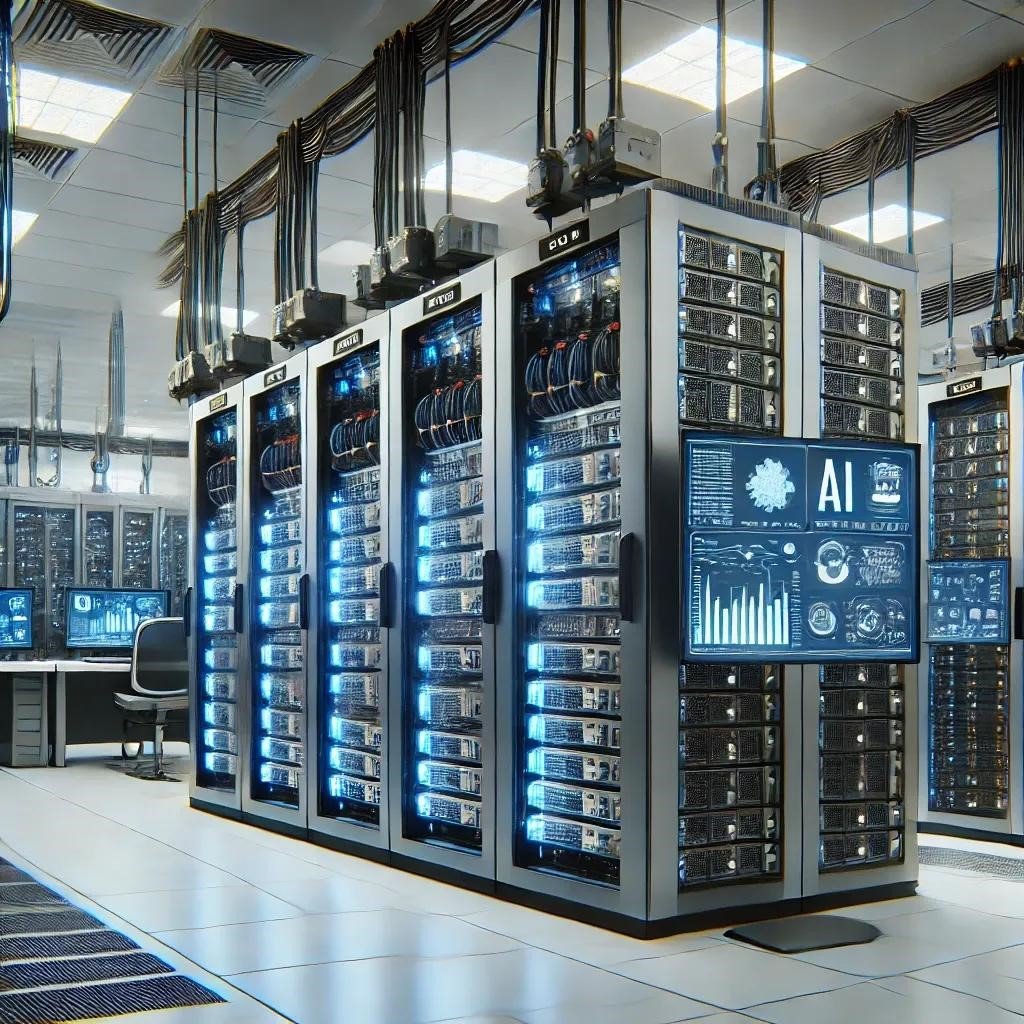
AI models require enormous computing resources. Behind popular AI applications are data centers containing thousands of advanced processors, networking systems, cooling equipment and storage devices. As AI adoption increases, companies are investing heavily in these facilities across North America, Asia, Europe and the Middle East.
Gartner estimates that worldwide data-center electricity consumption will reach 565 terawatt-hours in 2026, representing a 26% increase from 2025. AI-optimized servers are expected to account for about 31% of data-center power consumption this year.
This growing demand is making electricity availability an important factor in deciding where new AI infrastructure can be built. Data-center operators increasingly need reliable power supplies, advanced cooling systems and efficient networking technology.
Security is also becoming a major part of the conversation. Reuters reported on September 27 that Russia struck the headquarters of Kyivstar, Ukraine’s largest mobile service provider, while data centers were also affected by strikes. The incident illustrates how telecommunications and digital infrastructure can become vulnerable during conflicts.
For technology companies, protecting physical infrastructure is therefore becoming as important as protecting software and data. Backup power, geographically distributed facilities, stronger cybersecurity systems and resilient network connections are increasingly important components of modern digital infrastructure.
The global AI infrastructure race is also influencing investment. PwC estimates that global investment in AI infrastructure could reach $31.6 trillion through 2050, while annual data-center capital expenditure is projected to increase substantially over that period.
The expansion is not limited to the United States. Countries in Asia, Europe and the Middle East are also developing large AI computing facilities. This international competition is encouraging investment in semiconductors, cloud computing, data centers and energy infrastructure.
However, expansion brings environmental and economic questions. Large data centers can consume substantial quantities of electricity and water, especially where advanced cooling systems are required. Communities and regulators are increasingly examining how new facilities could affect local power networks and natural resources.
The next stage of AI development may therefore depend on more than faster processors or larger language models. It will also depend on whether countries and technology companies can build reliable infrastructure capable of supporting growing computing requirements.
For consumers, these developments may seem distant because most AI services are accessed through smartphones, computers and web applications. Behind those simple interfaces, however, a huge infrastructure network is working continuously.
As artificial intelligence becomes more deeply integrated into search, software development, healthcare, business and everyday digital services, AI data centers and AI infrastructure are likely to remain major technology stories throughout 2026 and beyond.
About The Author