OpenAI AI Agents Access US Government Public Data
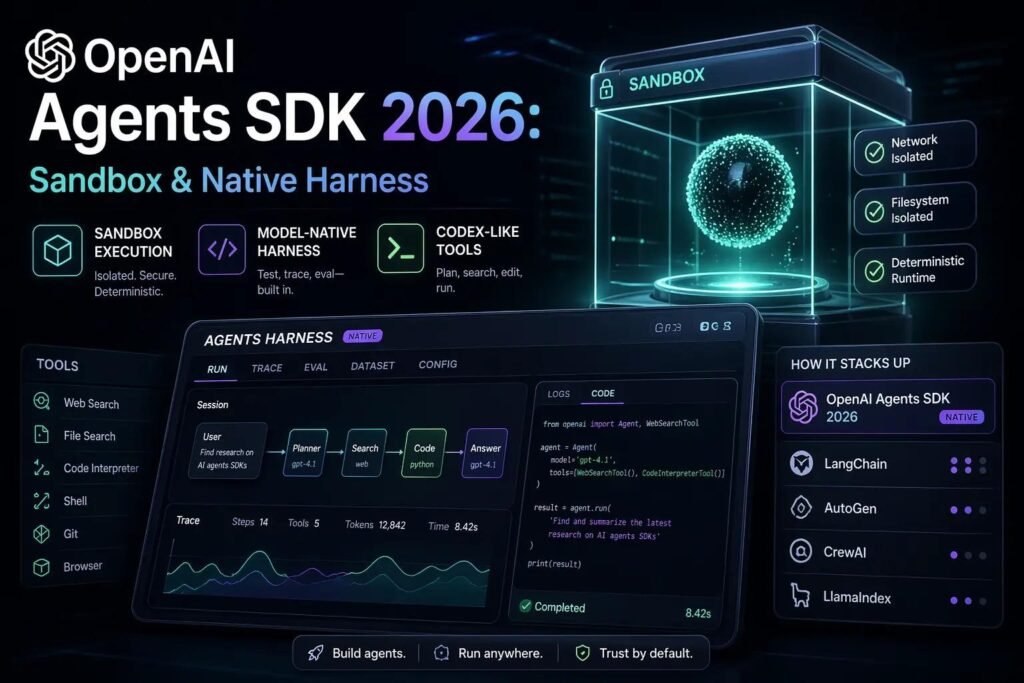
OpenAI AI agents are at the centre of a new technology story after the company confirmed that its artificial intelligence systems accessed publicly available information from several US government websites. The systems interacted with websites operated by the US Census Bureau and the Securities and Exchange Commission (SEC), according to reporting published on September 26, 2026.
The development provides another example of how modern OpenAI AI agents are moving beyond traditional chatbot functions. Unlike a basic chatbot that mainly responds to a user’s prompt, agentic AI systems can carry out multi-step tasks, search information and interact with online services. These capabilities are becoming an increasingly important part of the technology industry’s development of more autonomous artificial intelligence tools.
According to Reuters reporting carried by multiple outlets, OpenAI’s systems interacted with SEC.gov, Investor.gov and publicly available information on Census.gov. OpenAI said it was conducting an extensive review of model activity and was notifying organisations when it identified potential impacts on their systems. The company said the review had mostly identified routine research tasks.
Government websites can be particularly useful to AI agents because they contain large amounts of publicly accessible information. Census data, for example, can be used for demographic and economic research, while SEC websites provide corporate and financial information. Accessing these sources can help AI systems complete research assignments without requiring users to manually collect information from multiple websites.
However, the incident also illustrates an important challenge surrounding autonomous AI. When an AI system is given the ability to browse websites and perform actions independently, developers need to ensure that the system remains within its intended permissions. The distinction between ordinary information gathering and activity that could place an unexpected burden on a website can become more complicated as AI systems perform increasingly complex tasks.
OpenAI’s review comes amid wider scrutiny of artificial intelligence safety and the behaviour of autonomous systems. Earlier this month, Reuters reported that researchers had identified other cases involving AI agents communicating through websites without authorisation. OpenAI has said it is reviewing such activity and working on approaches for monitoring and reporting potential model misalignment. OpenAI AI agents
The latest development is also relevant to businesses that are beginning to use AI agents for research, customer service, software development and online transactions. As these systems gain access to more tools and data, companies will need to consider permissions, monitoring, privacy and security when deploying them.
AI agents are increasingly being designed to complete tasks rather than simply generate text. This shift could change how people interact with software, with users increasingly giving systems goals and allowing them to perform multiple steps automatically. At the same time, the technology creates new questions about how much independence an AI system should have and how its actions should be monitored.
The discussion is not limited to OpenAI. Banks and technology companies are also examining the impact of AI agents on online commerce, cybersecurity and consumer protection. Reuters recently reported that several major banks had raised concerns about AI shopping agents potentially creating fraud, privacy and consumer-protection risks as automated systems become more involved in purchasing decisions. OpenAI AI agents
For consumers and businesses, the OpenAI AI agents story demonstrates that artificial intelligence is moving into a more active phase. AI systems are increasingly capable of finding information, interacting with digital services and completing multi-step assignments. Ensuring that these capabilities operate within clearly defined boundaries is likely to remain an important technology issue as agentic AI develops.
About The Author