China Cuts U.S. Farm Tariffs, Excludes Soybeans
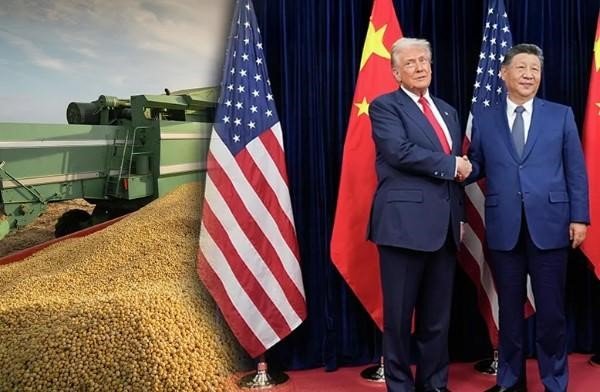
China is set to reduce tariffs on a broad range of agricultural products imported from the United States, marking a new development in the ongoing U.S.-China trade relationship. However, U.S. Farm soybeans have been left out of the tariff-reduction list and will continue to face an additional 10% tariff. The decision was announced after a recent meeting between Chinese President Xi Jinping and U.S. President Donald Trump in Washington.
The tariff changes cover several important categories of American farm products. The list includes corn, wheat, sorghum, vegetable oils, soybean oil, soybean meal, meat and dairy products. According to reporting based on the Chinese Commerce Ministry’s list, more than 90% of the covered products are expected to move toward normal most-favored-nation tariff rates rather than additional country-specific duties. The exact timing for implementation has been an important detail to watch as both countries work through the new trade arrangements.
The exclusion of whole soybeans is particularly significant because soybeans are one of the most important U.S. agricultural products sold to China. Chinese state-owned agricultural companies Sinograin and COFCO have already purchased more than 12 million metric tons of U.S. soybeans. That figure represents nearly half of the 25 million metric tons that the White House has said China committed to purchase annually through 2028. China, however, has not independently confirmed that purchase target in the same terms.
The continuing 10% additional tariff on U.S. soybeans means the commodity remains subject to a different trade treatment from many other American agricultural products. Market participants have indicated that the tariff can make U.S. soybeans less attractive to some private Chinese processors, while state-backed buyers have continued making purchases. Soybean trade therefore remains an important part of the wider negotiations between Washington and Beijing.
The tariff announcement is part of a broader package involving reciprocal reductions on roughly $60 billion worth of goods, with the two countries identifying products worth about $30 billion each for tariff reductions. The arrangement focuses largely on non-sensitive products, while strategically important sectors remain outside the main tariff changes. The countries have also agreed to establish a trade council, with discussions expected to include further reciprocal tariff reductions.
For U.S. farmers and agricultural exporters, the changes could alter the cost and competitiveness of shipments to China. Lower tariffs on crops, meat and dairy products may make some American products more competitive in the Chinese market. At the same time, the soybean exclusion shows that agricultural trade remains uneven and that individual commodities can receive different treatment within the broader agreement.
The development also matters for global agricultural markets because China is one of the world’s largest buyers of farm commodities. Changes in Chinese demand can influence international prices, shipping patterns and competition among major agricultural exporters. Brazil has become an increasingly important supplier of soybeans to China, adding another factor to the competitive landscape for American producers.
Overall, the latest China U.S. farm tariffs announcement represents a partial easing of trade barriers rather than a complete removal of agricultural tariffs. Corn, wheat, sorghum, meat, dairy and several processed agricultural products are included in the tariff reductions, while whole U.S. soybeans remain subject to the additional duty. The treatment of soybeans will therefore remain an important issue as the United States and China continue discussions over trade, agricultural purchases and broader economic relations.
About The Author